Rensselaer Polytechnic Institute is the nation’s oldest technological university. The university offers degrees from five schools: Engineering; Science; Architecture; Humanities, Arts, and Social Sciences; and the Lally School of Management & Technology; as well as an interdisciplinary degree in Information Technology.
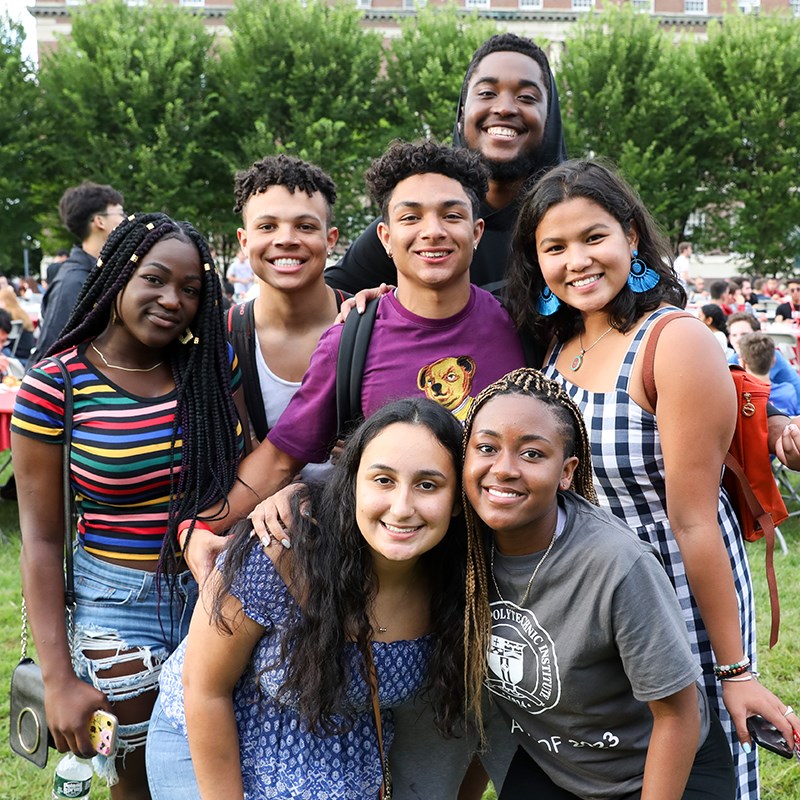
Institute programs serve undergraduates, graduate students, and working professionals around the world. The Institute’s long-standing reputation drew students from 39 states in addition to Washington, D.C., Puerto Rico, and 13 foreign countries in the fall of 2009.
Rensselaer offers more than 145 programs at the bachelor’s, master’s, and doctoral levels. Students are encouraged to work in interdisciplinary programs that allow them to combine scholarly work from several departments or schools. The university provides rigorous, engaging, interactive learning environments and campus-wide opportunities for leadership, collaboration, and creativity.
For almost two centuries, Rensselaer has maintained its reputation for providing an undergraduate education of undisputed intellectual rigor based on educational innovation in the laboratory, classroom, and studio.
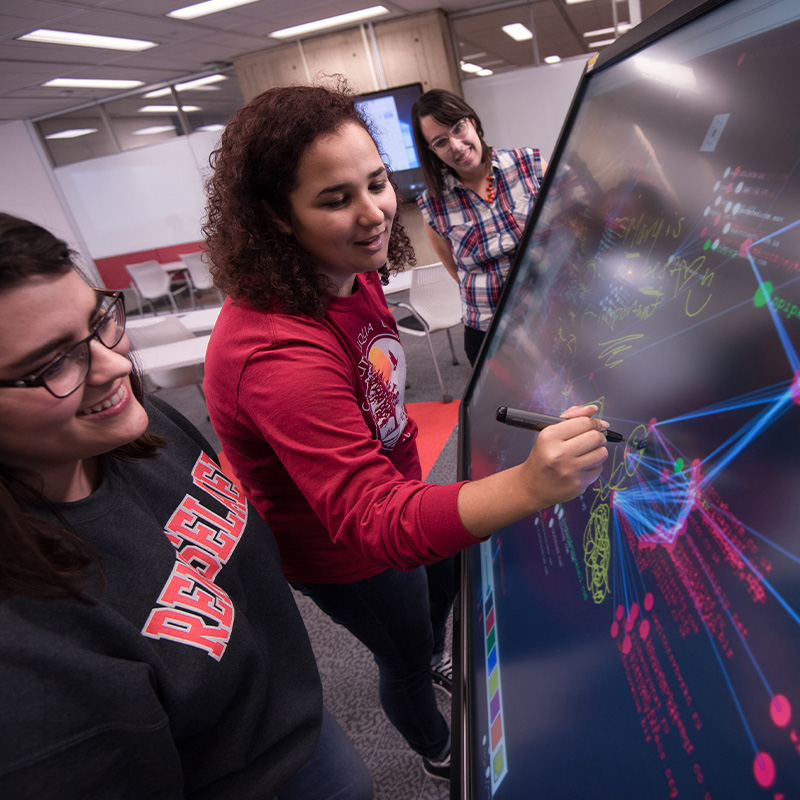
Driven by talented, dedicated, and forward-thinking faculty, Rensselaer has dramatically expanded the research enterprise by leveraging our existing strengths and focusing on five signature research areas: biotechnology; computation and information technology; experimental media and the arts; energy and the environment; and nanotechnology.
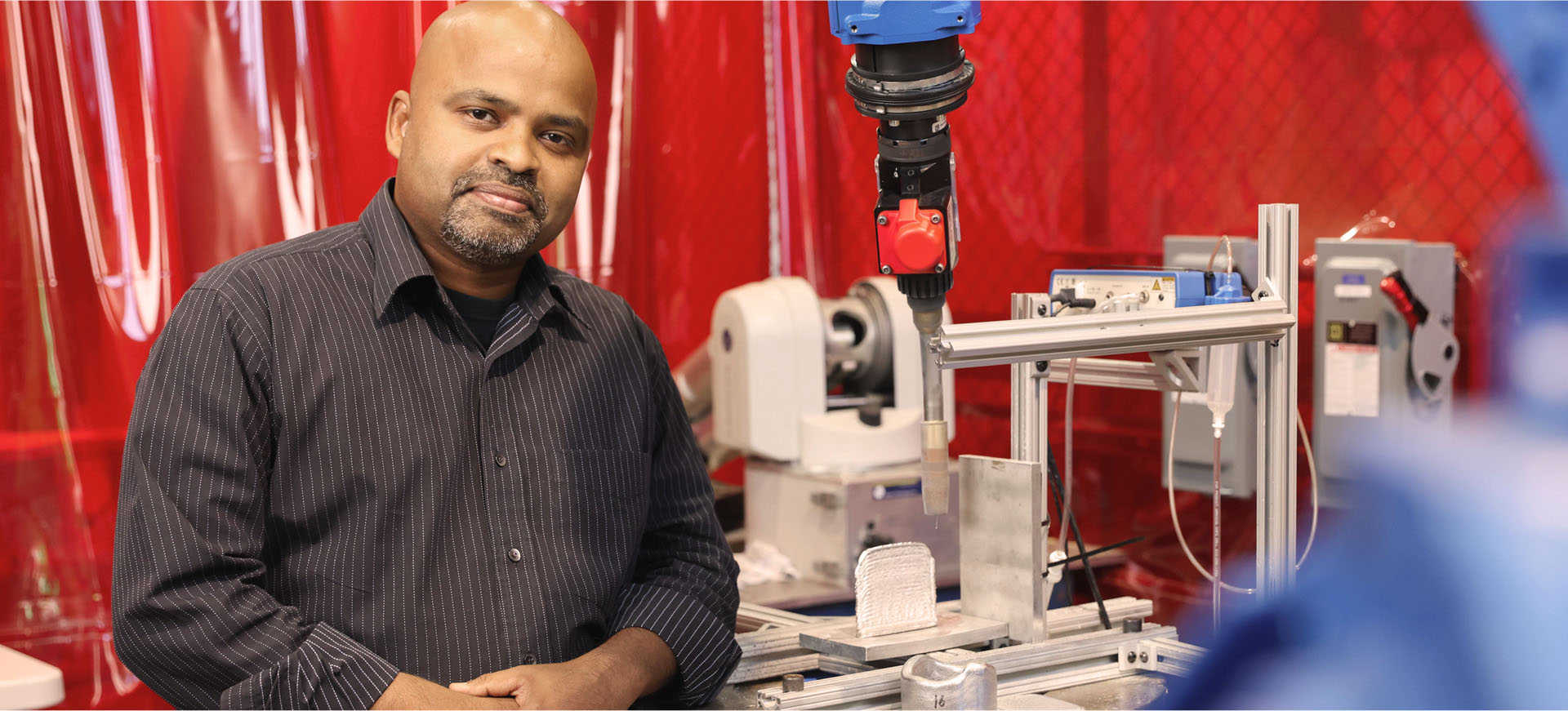
The Institute is especially well-known for its success in the transfer of technology from the laboratory to the marketplace so that new discoveries and inventions benefit human life, protect the environment, and strengthen economic development.
Academic Approach and Educational Innovations
Rensselaer is anchored by two vibrant roots:
- One root, written into the school’s founding documents, is “...the application of science to the common purposes of life.” This kept the focus on engineering solutions to national and international needs and challenges. Rensselaer graduates constructed the canals, roads, bridges, skyscrapers, and basic infrastructure of America, which helped to form the basis for 20th century society.
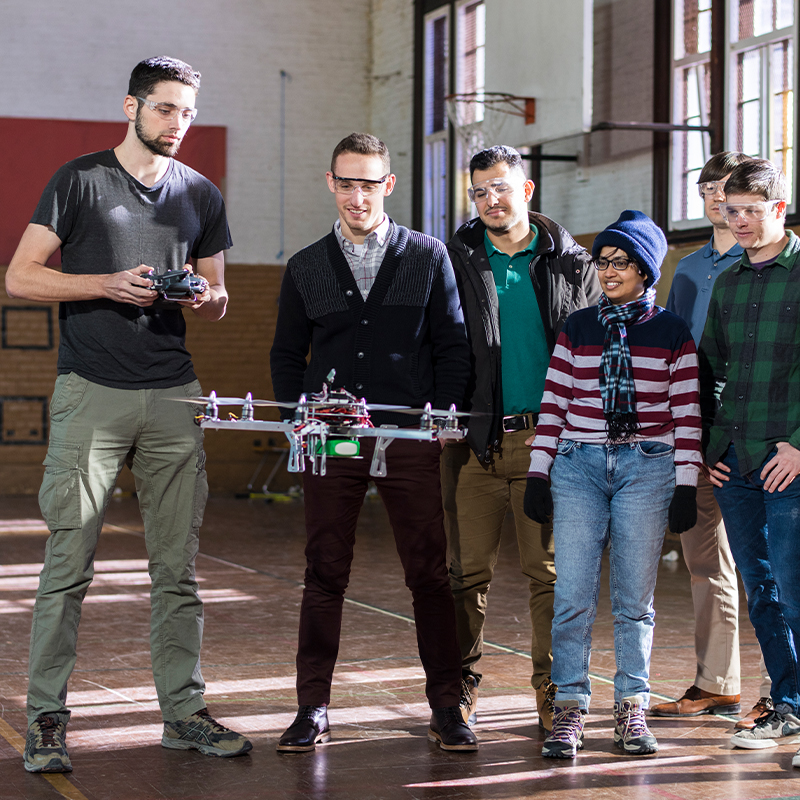
- The second root, also built into the school’s origin, was the employment of unique educational strategies. In the earliest days, after initial instruction, students taught what they knew to each other since teaching reinforces learning. Likewise, students performed scientific experiments rather than watch faculty conduct them, as had been the common practice.
The Rensselaer Plan
The Rensselaer Plan, conceived by President Shirley Ann Jackson, is the blueprint for institutional transformation into a “fully realized technological university.” The goal of offering a world-class educational experience to students includes building a robust research enterprise, and creating an environment and community that nurtures, supports, and enables our students to excel in all aspects of their lives.
Rensselaer continues to make significant strides toward the goal of a fully realized university. We continue to recruit talented and diverse students; achieving a record applicant pool. Investments in resident life include new living and learning communities, residence hall rehab, a new residence hall, and an historic investment in athletic facilities. Since 2001 aggressive recruiting of world-class faculty continues, including investments in constellation and new faculty positions. New research platforms include the Center for Biotechnology and Interdisciplinary Studies, the Computational Center for Nanotechnology Innovations (CCNI), and the Curtis R. Priem Experimental Media and Performing Arts Center (EMPAC).
|